

If you find yourself wiping your windows over and over again only to see the same cloudy spots reappear, then you may be dealing with hard water deposits. Cleaning hard water stains typically involves more than just your usual glass cleaner and a quick wipe.
Aggressively wiping your windows can actually cause more damage to the glass and push the mineral buildup deeper into the surface. In this blog, we’ll break down what causes hard water buildup and the most effective ways to safely remove it.
What Causes Hard Water Deposits on Windows?
Hard water deposits form when mineral-rich water evaporates and leaves behind solid residue. This is especially common in areas like Calgary, where the water supply contains elevated levels of dissolved minerals.

Calgary is known for having hard water, which means it contains minerals like calcium and magnesium. These minerals are harmless in drinking water, but they don’t do your windows any favours.
A few common factors that can make the buildup worse are:
- Sprinklers Hitting Your Windows: If your sprinklers regularly spray your windows, they can slowly build up mineral residue layer by layer.
- Faster Evaporation in Hot Weather: In warm conditions, water dries faster, which means more residue gets left behind on the surface.
- Snowmelt Leaving Residue on Windows: Melting snow can leave behind streaks of dirt and minerals, especially along the lower parts of your windows.
Do Hard Water Stains Damage Windows Permanently?
Hard water stains don’t always cause permanent damage, but they can if they’re left untreated for too long. In the early stages, these stains are simply mineral deposits sitting on the surface of the glass. With the right cleaning methods, they can usually be removed without any lasting impact.

It becomes a problem when those deposits are left on the glass for too long. Over time, calcium and magnesium can begin to damage the surface, eventually causing glass etching.
How to Remove Hard Water Stains from Glass Windows
Cleaning hard water stains from glass windows often takes more than basic cleaning products. While some stains can be removed with simple solutions, others require more effort and the right technique.
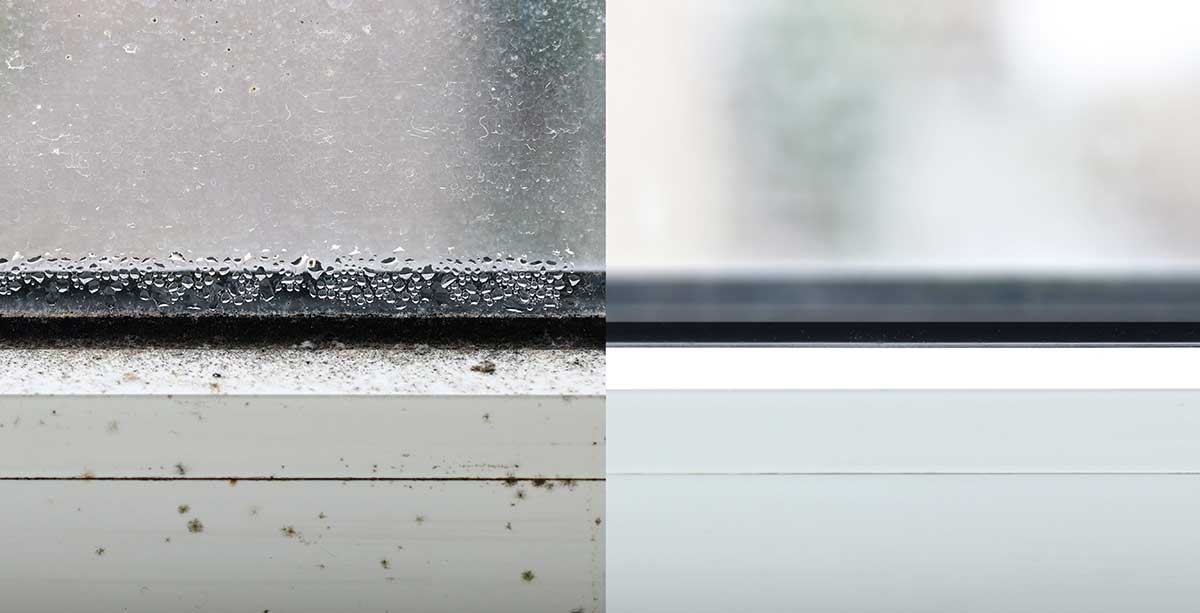
The right method depends on how severe the buildup is, since not all stains can be treated the same way. Here are a few methods that can help depending on what you’re dealing with:
Method 1: White Vinegar Solution (Best for Light Stains)

For lighter buildup, a white vinegar solution is usually the most effective starting point. It helps dissolve the minerals on the surface, making the cleaning process quicker and easier. How to do it:
- Mix white vinegar and warm water in equal amounts.
- Spray the solution onto the areas with visible stains.
- Let it sit for a few minutes to help break down the residue.
- Gently clean the glass with a soft cloth or sponge.
- Rinse and dry the window so no new marks are left behind.
Method 2: Vinegar + Baking Soda Paste (Moderate Buildup)

For moderate buildup that doesn’t come off easily, using vinegar with baking soda can make a noticeable difference. This combination targets the mineral deposits while allowing you to gently work them off the glass without being too harsh. To get started:
- Start by spraying white vinegar onto the affected areas.
- Add baking soda on top while the surface is still wet.
- Gently scrub in small circular motions using a microfiber cloth or sponge.
- Let the mixture sit briefly so it can continue breaking down the buildup.
- Rinse the glass well and dry it completely to prevent streaks.
Avoid applying too much pressure while scrubbing, as it can lead to micro-scratches on the glass surface. While this method is effective for moderate buildup, it has limited results on more stubborn, hardened stains.
Method 3: Commercial Hard Water Stain Removers (Stronger Deposits)

If vinegar is not removing hard water stains, it may be time to move beyond basic cleaning methods. Commercial hard water stain removers are formulated with stronger ingredients that can break down more stubborn residue.
Apply the cleaner directly onto the stained sections of the glass, following the instructions on the label. Allow it to sit long enough to loosen the mineral deposits.
After that, use a microfiber cloth or a soft pad to gently work over the surface. Once you’ve removed as much buildup as possible, rinse the area thoroughly and dry the glass to avoid streaks or leftover residue.
Method 4: Fine Glass Polishing Compounds (For Advanced Cases)
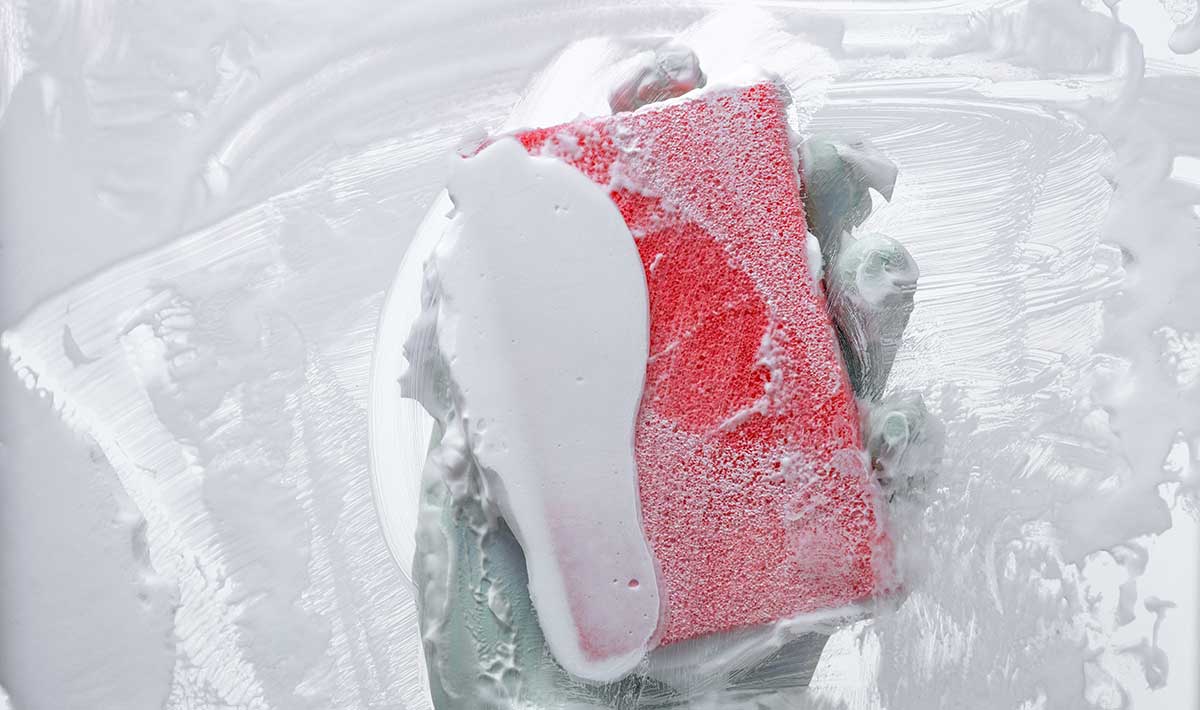
If you’ve reached the point where stains won’t come off and the glass still looks dull, you may be dealing with more than surface buildup. Fine polishing compounds like cerium oxide can help improve the appearance by smoothing the surface slightly, but this type of work requires care and the right technique.
If you decide to try this method, start with a small amount of compound on a soft pad and gently work it into the glass. Focus on light, even movements rather than pressing too hard. After a few passes, rinse the area and see how much the appearance has improved.
It’s important to note that while this method can help fade early signs of damage, it won’t completely remove deeper stains or restore heavily etched glass.
What Removes Hard Water Stains From Windows Permanently?
The honest answer is that not all hard water stains can be removed permanently. It depends on how long they’ve been sitting on your windows. Surface-level deposits can be removed using proper cleaning techniques like the methods we covered in the previous section.
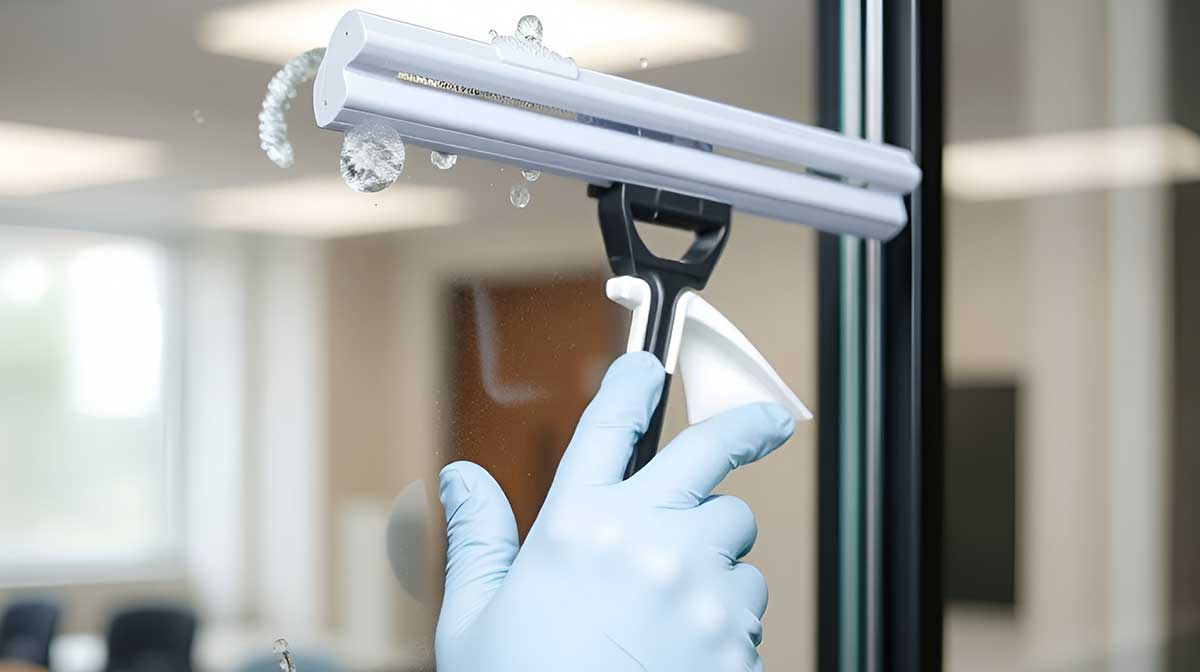
But if those stains have been there for a while, they may have already started to affect the glass itself. This is when cleaning becomes less effective.
Even strong products may not fully remove the marks. At that point, you’re no longer dealing with a simple cleaning issue. The glass may need polishing or professional restoration to improve its appearance.
Water Spots on Windows Won’t Come Off? Time to Consider Professional Window Cleaning
If you’ve tried everything and the stains still won’t come off, it may be time to look beyond DIY solutions. In some cases, hard water buildup goes deeper than the surface, making it difficult to remove with standard cleaning methods.

At Winducks, our window cleaning experts are equipped to handle both interior and exterior glass, using the right tools and methods to remove buildup without damaging the surface.
Is Professional Window Cleaning Worth It For Hard Water Stains?
For more persistent hard water stains, professional window cleaning is often the most effective way to improve the condition of the glass.
Trying multiple DIY methods can be frustrating, especially when the results don’t change. In some cases, the issue isn’t the product you’re using, but the condition of the glass itself.
That’s where professional window cleaning can make a noticeable difference. Instead of guessing which method might work, you get a targeted approach based on the type of buildup and how long it has been there.
Tired of Stubborn Water Stains? Let Our Experts at Winducks Restore Your Windows
Getting rid of hard water deposits isn’t always as simple as wiping down the glass. While lighter stains can often be removed with the right method, more stubborn buildup can take time, the right tools, and a careful approach. Knowing the difference between surface residue and deeper damage can save you from unnecessary effort and help you avoid making the problem worse.

At Winducks, we focus on delivering consistent, streak-free results that improve the overall look of your windows. If your glass still looks cloudy or marked after multiple attempts, it may be time for a more effective solution.
Our team is here to help you get the clarity you’ve been trying to achieve. Get an instant quote for your window cleaning service today.